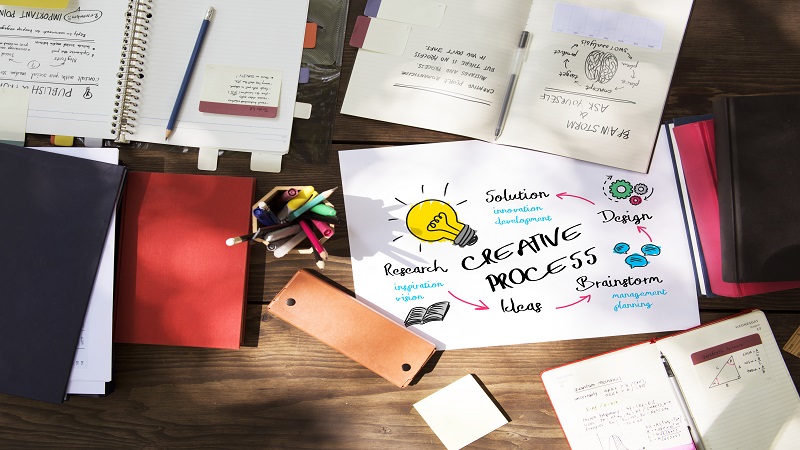
Design plays a vital role in how we experience products, services, and information. From websites and mobile apps to posters and everyday objects, good design makes things easier to understand and more enjoyable to use. In this article, we will explore the basics of creative design thinking, why it matters, and how anyone can improve their design approach. The goal is to offer a clear, practical guide that is easy to read and useful for beginners as well as those with some experience.
In today’s fast-changing digital world, design is no longer limited to professionals only. Students, business owners, and content creators all benefit from understanding how design works. Concepts such as clarity, balance, and user focus are essential. This guide introduces those ideas in a simple way while helping you think more creatively and purposefully.
Understanding the Basics of Design Thinking
Design thinking is a problem-solving approach that focuses on people first. Instead of starting with tools or trends, it begins by understanding the user’s needs. This mindset helps create designs that are practical, accessible, and visually pleasing.
At its core, design thinking involves five basic stages: empathize, define, ideate, prototype, and test. You don’t always need to follow these steps in order, but they provide a helpful structure. The first step, empathy, encourages designers to understand the user’s challenges. When you know who you are designing for, your work becomes more meaningful and effective.
A concept often discussed in creative communities like push yourdesigncom is that design is not just about decoration. It is about communication. Every color, shape, and layout choice sends a message. When these elements work together, the result feels natural and easy to use.
Why Simple Design Matters
Simplicity is one of the most important principles in design. A simple design is easier to understand, quicker to use, and more memorable. Many people assume that good design must be complex or artistic, but often the opposite is true. Clean layouts, readable text, and clear structure usually create the best results.
Simple design reduces confusion. When users do not have to think too much about how to navigate or interpret something, they feel more comfortable. This is especially important for digital products, where attention spans are short. Clear menus, consistent colors, and logical spacing help guide the user smoothly.
Another benefit of simplicity is accessibility. Designs that avoid clutter are easier for people with different abilities to use. Large fonts, good contrast, and straightforward navigation make content more inclusive. Learning from practical examples shared on platforms such as push yourdesigncom can help designers understand how simplicity improves both usability and appearance.
Key Elements of Effective Design
To create effective designs, it is important to understand the basic elements that make up any visual composition. These elements work together to form a balanced and appealing result.
Color plays a major role in setting the mood and guiding attention. Warm colors can feel energetic, while cool colors often feel calm. Using too many colors can be distracting, so it is usually better to choose a small palette and use it consistently.
Typography is another essential element. Fonts should be easy to read and suitable for the message you want to convey. Mixing too many fonts can make a design look messy, so it is best to limit font choices and use size and weight for variation.
Layout and spacing help organize content. White space, or empty space, is not wasted space. It gives the design room to breathe and makes important elements stand out. A well-structured layout guides the reader’s eye naturally from one section to another.
Resources and discussions like those found on push yourdesigncom often emphasize that mastering these basics is more important than following trends. Trends change, but strong fundamentals remain valuable over time.
Developing a Creative Design Mindset
Creativity is not something you either have or don’t have. It is a skill that can be developed with practice. A creative design mindset involves curiosity, experimentation, and openness to feedback.
One way to build creativity is to observe the world around you. Pay attention to how things are designed, from street signs to mobile apps. Ask yourself what works well and what doesn’t. This habit trains your eye and improves your design judgment.
Another important practice is sketching and brainstorming. You don’t need to create perfect designs right away. Rough ideas help you explore different possibilities without pressure. Trying multiple ideas often leads to better solutions than sticking with the first one.
Feedback is also essential. Sharing your work with others helps you see it from a different perspective. Constructive feedback highlights areas for improvement and encourages growth. Many designers improve faster when they engage with design-focused discussions similar to those encouraged by push yourdesigncom, where learning and sharing ideas are valued.
Common Design Mistakes to Avoid
Even experienced designers make mistakes, but being aware of common issues can help you avoid them early on. One frequent mistake is overcrowding. Trying to include too much information in one place makes designs hard to understand. Prioritize what is most important and remove unnecessary elements.
Another mistake is inconsistency. Using different styles, colors, or fonts without a clear reason can confuse users. Consistency creates trust and makes designs feel more professional.
Ignoring the user’s perspective is also a common problem. A design might look good to the creator but feel confusing to others. Always test designs with real users when possible. Simple feedback can reveal problems you might not notice on your own.
Finally, relying too heavily on trends can weaken a design. Trends can be useful for inspiration, but they should not replace solid design principles. Focus on clarity, usability, and purpose first.
The Future of Design and Learning
Design continues to evolve as technology advances. Artificial intelligence, virtual reality, and new digital tools are changing how designers work. However, the core goal of design remains the same: solving problems and improving experiences.
Learning design today is easier than ever. Online tutorials, communities, and practice projects allow anyone to start. The key is consistency. Regular practice, reflection, and learning from mistakes help build confidence and skill over time.
As more people recognize the value of design, creative thinking becomes an important life skill, not just a professional one. Whether you are designing a presentation, a social media post, or a personal project, understanding design basics helps you communicate more effectively.
Conclusion
Design is a powerful tool that shapes how we interact with the world. By focusing on simplicity, understanding users, and practicing core principles, anyone can improve their design skills. You don’t need expensive tools or advanced knowledge to start. What matters most is a thoughtful approach and a willingness to learn.
Creative platforms and ideas often associated with push yourdesigncom highlight that good design is about clarity, purpose, and people. When you design with these values in mind, your work becomes more meaningful and impactful. Over time, small improvements in how you think about design can lead to big changes in how others experience your ideas.